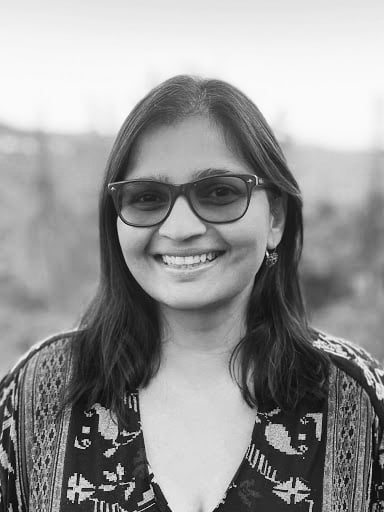
BIPOC Portraits: The Viet Vegan


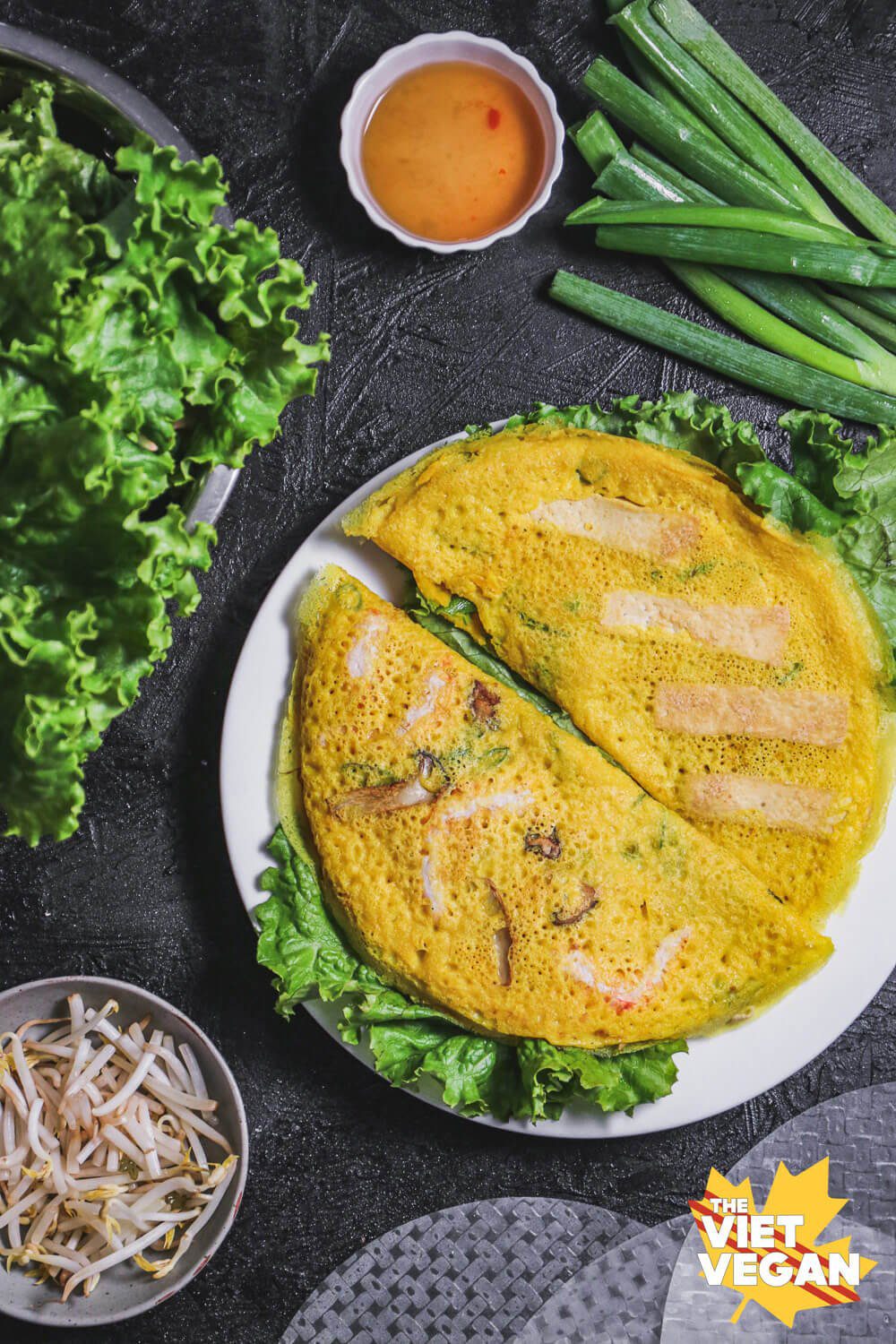
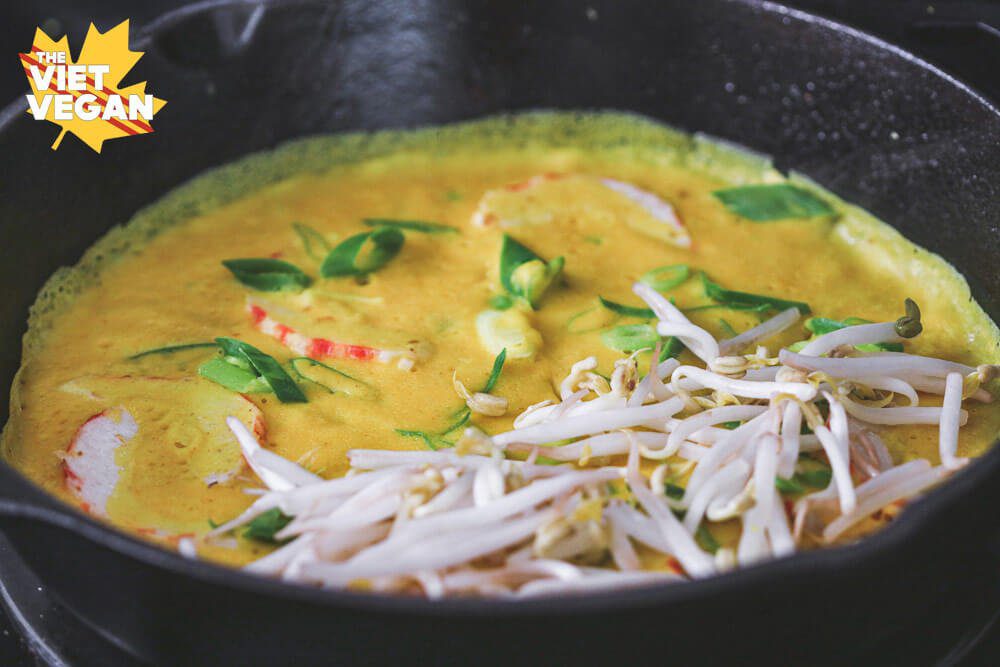
BIPOC Portraits is a series in which Best of Vegan contributors Val & Mani Latifi of Plant-Based Passport profile one BIPOC vegan creator each week over the course of 16 weeks, to shed light on the unique challenges BIPOCs face in making the decision to embrace veganism. For BIPOCs, the prevailing narrative that veganism is a white-dominated movement can often mean a perceived loss of cultural identity. The hope of this profile series is to make veganism a little less lonely for BIPOCs and to give courage to vegan-curious BIPOCs out there. In the fifth installment of BIPOC Portraits, Lisa Le of The Viet Vegan shares her journey to veganism as a Vietnamese-Canadian. She also provides a delicious recipe for Banh Xeo.
[The acronym BIPOC stands for Black, Indigenous, and People of Color]

Lisa Le is a full-time content creator from Hamilton, Ontario. She transitioned to veganism in 2013, after a couple of years as a vegetarian. Lisa became a vegetarian for health reasons and was inspired to go fully vegan after volunteering for the Toronto Vegetarian Association. It opened her eyes to the truths of the dairy and egg industries. When she’s not cooking and eating, Lisa enjoys sharing bento boxes while hiking, reading, and playing video games. She’s currently working on a fair share of home prep and—perhaps most importantly—growing as a human. Follow Lisa: Instagram | Website | TikTok | YouTube
When you first went vegan, did you see the vegan community as diverse? Did you see yourself as having a place in the vegan community as a BIPOC?
I definitely did not see many BIPOC people in the vegan community when I first went vegan. A lot of people were interested in vegan Vietnamese food, but most of the stuff available, and the typical food people were eating, was raw and hyper healthy. I went vegan during peak raw veganism and was pretty discouraged by all of that actually. I experienced a lot of different (usually non-Viet) people’s takes on Vietnamese food that were so far off from what Vietnamese food is.
I experienced a lot of different (usually non-Viet) people’s takes on Vietnamese food that were so far off from what Vietnamese food is.
Did you have any fears or reservations about going vegan? Did you feel like you might lose part of your cultural identity in your transition to veganism?
Absolutely! In Vietnamese culture, and especially in my family, food is love. Eating together and cooking together is a part of our love language. When I first went vegan, I felt a huge disconnect with my family, even though they celebrated me being vegan for Buddhist reasons. But it wasn’t until my mom and brother went vegetarian, did I start getting included in family meals again. Before that happened I’d often get something like a mushroom stir-fry to eat with rice. I usually had to eat that by myself, away from the rest of my family. It was really hard for me to feel so detached from my family.
Did you worry about how your friends and family would react to your decision to go vegan? And how did they react?
My family was very impressed for religious reasons, but since I’m not really religious they didn’t understand the motivation of it. They assumed it was for health or because I’m allergic to a lot of foods (fish sauce, milk, etc.), and to be honest, I don’t think they get it even now. The language barrier can be difficult. But they are supportive and since there are more vegan restaurants close to them that share Vietnamese vegan food, they see that it’s not just me being weird, but something more and more Vietnamese people are moving towards. They are always really supportive when I veganize super-Vietnamese dishes that are more homestyle or aren’t as popular in restaurants—recipes like Viet meatloaf, a.k.a. Cha Trung and Pâté.
In Vietnamese culture, and especially in my family, food is love. Eating together and cooking together is a part of our love language. When I first went vegan, I felt a huge disconnect with my family
As for my friends, most of my friends are pretty sustainably motivated and a lot of them have adopted way more plant-based lifestyles ever since! A few of them are vegan, a couple are vegetarian, but most of them are omni who are super-open and excited to eat vegan with me when I’m around.
Did you have challenges finding vegan substitutes to make your cultural dishes? What substitutes did you make?
Things were way harder before Vietnamese vegan fish sauce was available. Now that it is more easily accessible from specialty vegan shops or Asian markets, things are way easier to veganize. Before I was just using soy sauce, but now lots of dishes can have that stinky fish sauce flavor, without the fish!
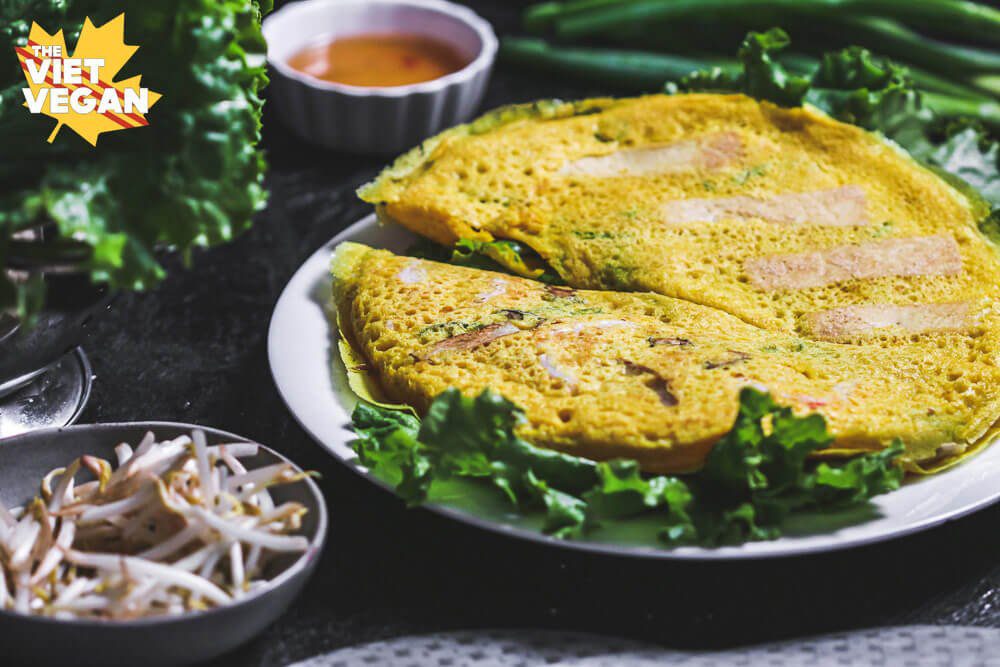
Article Val and Mani Latifi. Recipe and photos by Lisa Le of The Viet Vegan.


If you loved this BIPOC Portrait of The Viet Vegan, you might also like…
BIPOC Portraits: Healthy Simple Yum (An Interview with Anna Rios)